
Health clinics that rely on the Title X program have received their government funding for the year, following a chaotic and unorthodox application process that led to a brief delay and widespread fears that services would have to be paused.
Subscribe to read this story ad-free
Get unlimited access to ad-free articles and exclusive content.
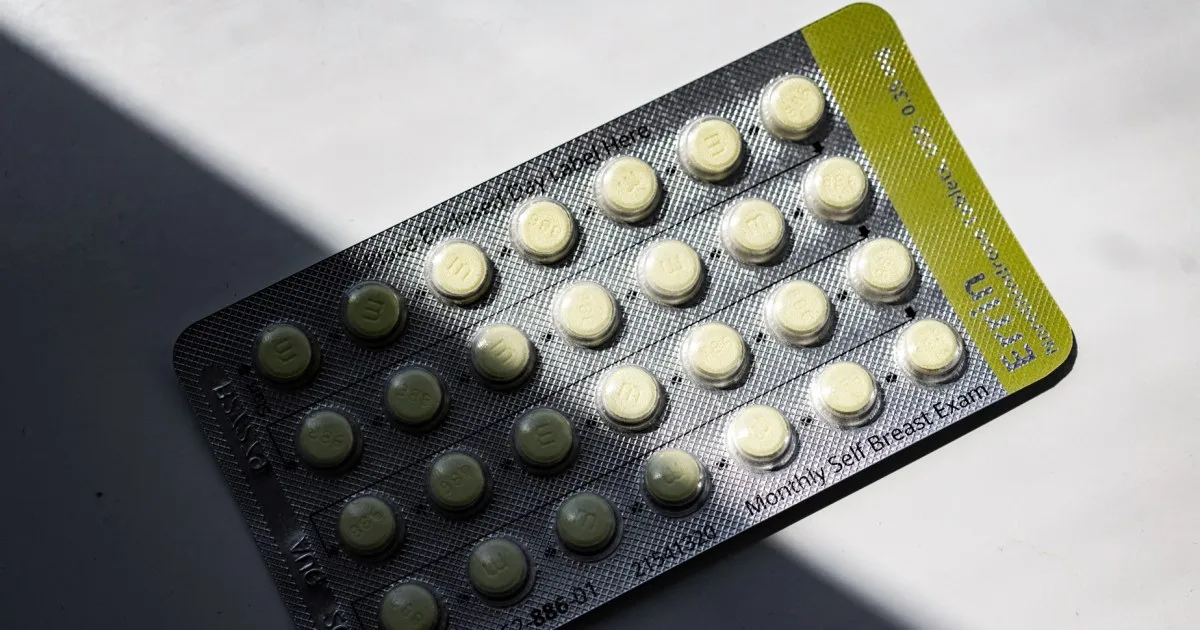
The program offers federal funding for reproductive health services provided to low-income and uninsured patients, including birth control, cancer screenings, wellness exams and HIV testing. Title X serves more than 2.8 million people.
Earlier this year, the Trump administration delayed the standard application process for new Title X grants. The Department of Health and Human Services typically opens applications in the fall and gives clinics months to submit their requests, but this year, it began accepting applications on March 13 and gave clinics just a week.
Title X funding for each year usually renews April 1, but when that date arrived last week, clinics were still in the dark about how much money they should expect and when.
In the end, the grant awards became available Friday.
“Generally speaking, grantees received awards that were level or approximately level with the allocation they received in 2025,” Clare Coleman, CEO of the National Family Planning and Reproductive Health Association, said in a statement. The group advocates for Title X clinics.
However, the Title X program could face more upheaval next year.
Last week, HHS’ Office of Population Affairs published new guidelines for clinics applying for 2027 funding. They appear to shift the primary goal that the program was created to achieve — expanding access to contraception — toward “natural family planning,” a term that refers to tracking menstrual cycles to avoid sex during fertile windows. The method is less effective at preventing pregnancy than hormonal contraception.
“We expect applicants to demonstrate how their Title X projects will integrate noninvasive, evidence-based practices that promote health literacy, fertility awareness, and reproductive health without unnecessary medicalization or symptom suppression,” the guidelines say.
Citing an “overreliance on pharmaceutical and surgical treatments,” the guidelines encourage Title X clinics to counsel patients about lifestyle factors that influence general health and fertility and to expand access to what they describe as “fertility-awareness-based methods.”
They also state that applicants cannot use Title X funding to promote or offer abortions. During President Donald Trump’s first term, his administration similarly barred Title X clinics from providing abortion care or abortion referrals, which prompted roughly 1,000 clinics to leave the program. The regulations were reversed during the Biden administration.
“HHS is committed to ensuring Title X funds are not used for abortions consistent with the law and President Trump’s Executive Order on Enforcing the Hyde Amendment,” Emily Hilliard, a spokesperson for HHS, said in a statement. “HHS is aligning the program with President Trump’s pro-life and pro-family agenda.”
Hilliard did not answer a question about whether the government will allow the use of Title X funds for hormonal birth control in 2027.
“We are continuing to analyze the new guidance for the 2027 funding cycle and have concerns for what it means for patients,” Ruth Richardson, president and CEO of Planned Parenthood North Central States, said in a statement. “Everyone deserves access to sexual and reproductive health care no matter their race, gender, zip code, income or insurance status.”
The shift reflects several focuses of the Trump administration and Health Secretary Robert F. Kennedy Jr. Trump has said he wants to make it easier for couples to have babies, and Kennedy’s “Make America Healthy Again” agenda centers on addressing the underlying causes of chronic diseases. Kennedy has said Americans are overmedicated.
The new Title X guidelines say that contraception “has failed to adequately address the root causes of the nation’s chronic disease burden” and that a growing number of women have stopped using it due to side effects. Use of birth control pills indeed declined from the period of 2017 to 2019 to that of 2022 to 2023. Decades of research have shown that hormonal birth control is safe for most people and that serious complications are rare, though some studies have identified a slightly elevated risk of breast cancer in women who have taken birth control pills.
Clinics say they’re still sorting through the new guidelines and whether the change will affect their ability to offer birth control. The National Family Planning and Reproductive Health Association said a 2021 regulation that requires Title X projects to offer a broad range of contraceptive methods is still in place.
The next round of applications isn’t due until January.
The Trump administration’s focus on “natural family planning” deviates from Title X’s original mission. The program was enacted in 1970 with the bipartisan goal of making contraception available to families regardless of their incomes. It has since expanded to include fertility services, breast and cervical cancer screenings, and tests and treatment for sexually transmitted infections.
In response to a request for comment, the White House referred NBC News to the Office of Management and Budget, which did not respond to the inquiry.
HHS said in the guidelines for next year that it intends to make up to $257 million available through Title X, pending the finalization of the 2027 federal budget. That’s a decrease from past years: Annual funding for the program has hovered around $286 million for the last decade.
Leave a Reply