
LOS ANGELES — The first plaintiff to take major social media companies to trial is expected to take the stand Wednesday to speak about the harms she says the tech platforms inflicted on her mental health as a child.
The plaintiff, who is now 20 and is identified in court by her initials, K.G.M., is at the center of a bellwether case in Los Angeles County Superior Court that could set a legal precedent about whether social media platforms are responsible for causing mental health issues in children.
The trial is the first in a consolidated group of cases brought against Instagram, YouTube, TikTok and Snap by more than 1,600 plaintiffs, including over 350 families and over 250 school districts. The plaintiffs accuse the tech companies of knowingly designing addictive products harmful to young users’ mental health.
K.G.M., who was a minor at the time of the incidents outlined in her lawsuit, claims that her early use of social media led to addiction and worsened her mental health problems. Her lawsuit alleges that social media companies made deliberate design choices to make their platforms more addictive to children for purposes of profit.
“Defendants know children are in a developmental stage that leaves them particularly vulnerable to the addictive effects of these features,” her lawsuit says. “Defendants target them anyway, in pursuit of additional profit.”
Historically, social media platforms have largely been shielded by Section 230, a provision added to the Communications Act of 1934 that says internet companies are not liable for content users post. TikTok and Snap reached settlements with K.G.M. before the trial, but they remain defendants in a series of similar lawsuits expected to go to trial this year.
The lawsuit highlights a variety of features that it claims the platforms use to “exploit children and adolescents,” including “an algorithmically-generated, endless feed to keep users scrolling,” rewards that encourage people to keep using the platform, and “incessant” notifications, as well as “inadequate” measures for age verification and parental control.
“Disconnected ‘Likes’ have replaced the intimacy of adolescent friendships. Mindless scrolling has displaced the creativity of play and sport,” the lawsuit says. “While presented as ‘social,’ [the platforms] have in myriad ways promoted disconnection, disassociation, and a legion of resulting mental and physical harms.”
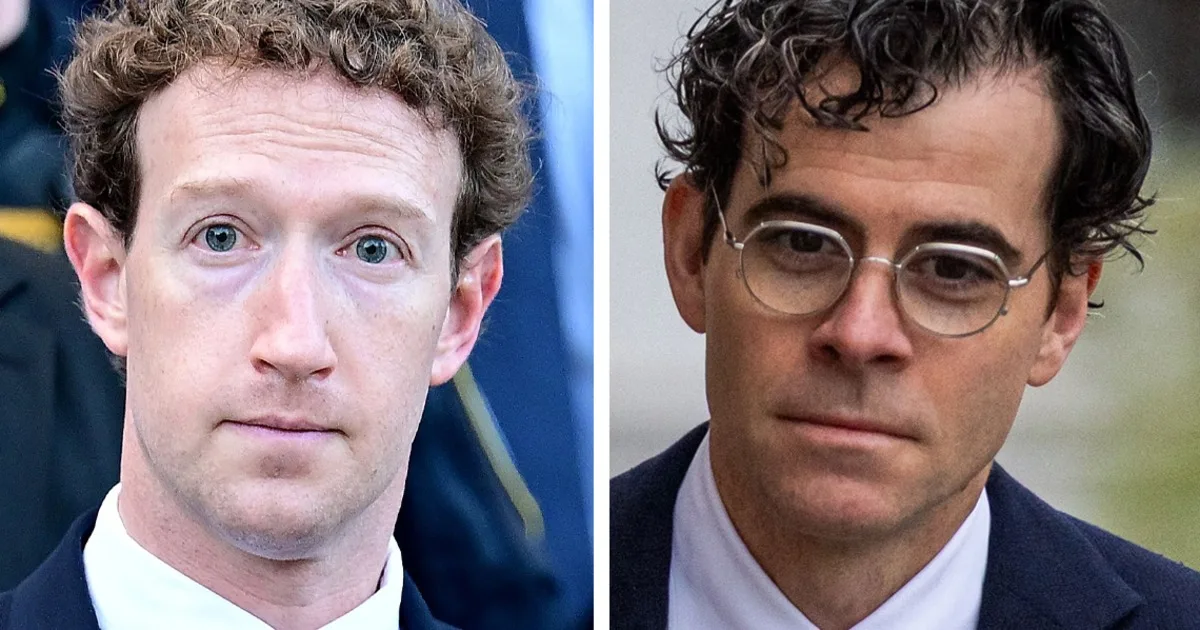
So far during the trial, K.G.M.’s lawyers have called on Instagram head Adam Mosseri, Meta CEO Mark Zuckerberg and YouTube’s vice president of engineering, Cristos Goodrow, to testify before the jury.
Mosseri argued in his defense of Instagram that although excessive use of the app could pose a problem, it’s “important to differentiate between clinical addiction and problematic use.” He added that while it is in Instagram’s business interests to attract as many users as possible, he believes “protecting minors in the long run is good for profit and business.”
Zuckerberg echoed similar sentiments last week, saying Meta prioritizes building “a community that is sustainable” over boosting users’ screen time.
“If you do something that’s not good for people, maybe they’ll spend more time [on Instagram] short term, but if they’re not happy with it, they’re not going to use it over time,” Zuckerberg said in his testimony. “I’m not trying to maximize the amount of time people spend every month.”
Pressed about Meta’s age verification policies, Zuckerberg said that despite Instagram’s longtime policy prohibiting children under 13 from making accounts, he believes there are kids “who lie about their age in order to use the services.”
Meta has developed measures over time to try to detect underage users, Zuckerberg said. But K.G.M.’s attorney, Mark Lanier, noted that the age verification features were not available when many children joined Instagram. K.G.M. got on the app at age 9.
“I always wish we could have gotten there sooner,” Zuckerberg said of the safety tools Meta added in recent years.
A spokesperson for Meta said in a statement that “the question for the jury in Los Angeles is whether Instagram was a substantial factor in the plaintiff’s mental health struggles. The evidence will show she faced many significant, difficult challenges well before she ever used social media.”
K.G.M. was present during part of Zuckerberg’s testimony but did not speak.
Goodrow, who took the stand Monday and Tuesday ahead of K.G.M.’s testimony, was pressed about YouTube’s self-proclaimed “big, hairy, audacious goal” of achieving 1 billion hours of daily watch time by the end of 2016.
“YouTube is not designed to maximize time,” Goodrow said Monday. “Now we measure in time well spent.”
YouTube’s CEO was scheduled to testify, as well, but was removed from the witness list last week. Lanier told NBC News that his team is “running out of time allowed by the court to put on our case.”
Leave a Reply